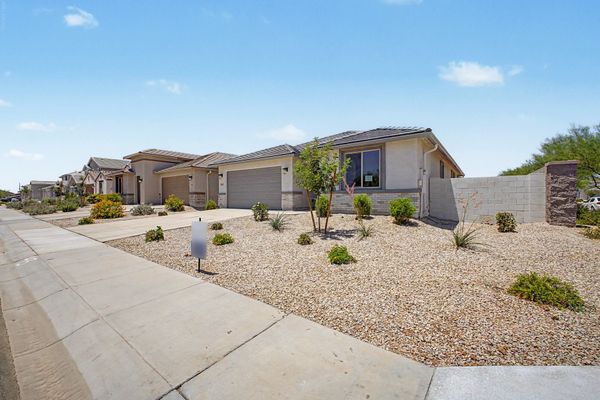
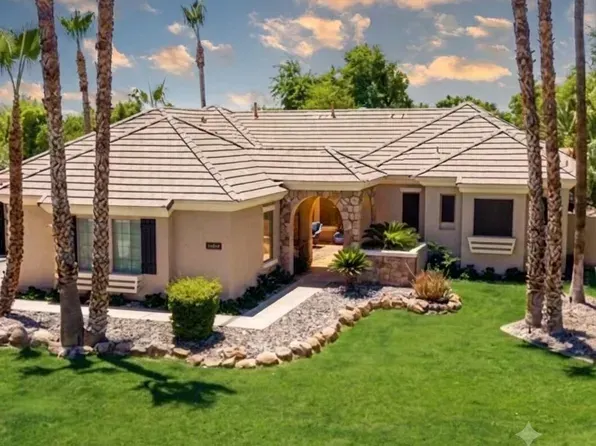
New Construction vs. Resale Homes: Which Is Right for You?
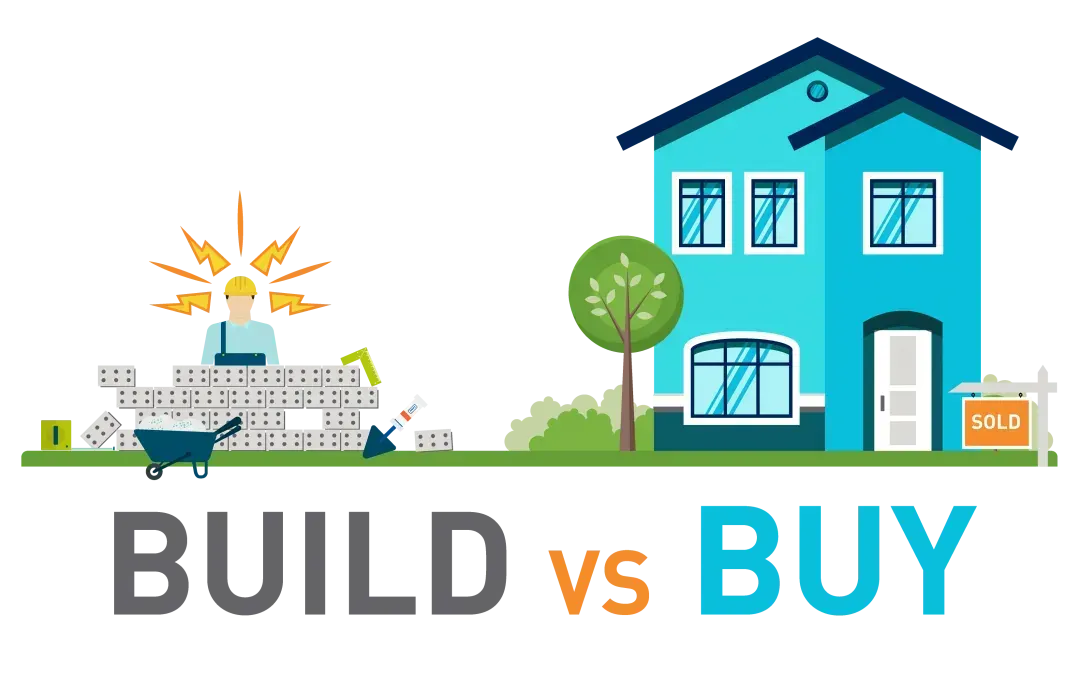
When searching for your next home, one of the first major decisions you will face is deciding between a brand-new build or an established resale property. Both options offer clear advantages, but the right choice ultimately comes down to balancing your budget, lifestyle preferences, and long-term priorities regarding location and maintenance.
Here is a side-by-side look at how new construction compares to resale homes so you can decide which fits your goals best.
1. New Construction Homes
New build properties appeal to buyers who want a turnkey, move-in-ready experience with modern conveniences built right in.
The Advantages
- Modern Open Layouts: Floor plans are optimized for modern living, featuring open-concept spaces, spacious primary suites, and dedicated office flex rooms.
- Energy Efficiency: Built with updated insulation, modern HVAC systems, and energy-efficient windows, which leads to lower monthly utility bills.
- Builder Warranties: Major structural components, plumbing, and appliances are typically covered under warranty for the first few years, giving you peace of mind.
- Financing Perks: Builders often offer attractive incentives, such as funding interest rate buydowns or contributing toward closing costs.
The Drawbacks
- Higher Upfront Cost: New construction often commands a price premium compared to older properties in the same market.
- Build Delays & Immature Lots: Construction schedules can face weather or supply delays, and yards generally lack mature trees or established privacy landscaping.
- Location: New developments are frequently located farther from city centers or established commute corridors.
2. Resale Homes
Resale properties are ideal for buyers prioritizing established community charm, convenient location, and room to negotiate price.
The Advantages
- Prime, Established Locations: Resale homes are often situated closer to city centers, mature school districts, and existing shopping or transit hubs.
- Lot Size & Character: You are more likely to find larger lot sizes, mature trees, custom architectural details, and unique character that new tracts may lack.
- Negotiation Room: Sellers may be more willing to negotiate on the purchase price or offer concessions compared to builders with rigid pricing structures.
The Drawbacks
- Immediate Repairs: Older systems—such as aging roofs, water heaters, or HVAC units—may require repair or replacement shortly after closing.
- Outdated Layouts: Older homes may have compartmentalized rooms, smaller closets, or less efficient insulation that increases heating and cooling costs.
The Takeaway
Rule of Thumb: If you value low initial maintenance, modern layouts, and builder financing perks, new construction is a strong contender. If you prioritize larger lots, established neighborhoods, and proximity to city infrastructure, a resale home may be the better fit.