Mortgage Rate Buydowns: Temporary vs. Permanent Explained
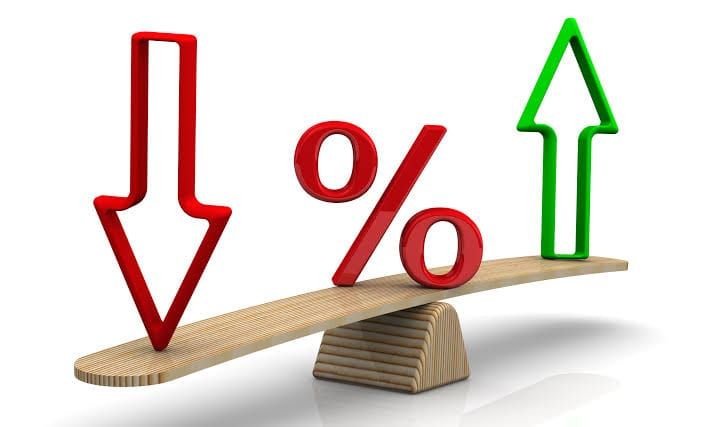
In a changing real estate market, buyers and sellers are constantly looking for creative ways to manage financing costs. One strategy that has gained major traction is the rate buydown.
Whether offered as a builder concession or used by buyers looking to ease into a mortgage, understanding how buydowns work—and when they make financial sense—can save you thousands of dollars.
What Is a Rate Buydown?
A rate buydown is an upfront payment made at closing to secure a lower mortgage interest rate. This fee lowers the rate either temporarily (for the first 1 to 3 years) or permanently (for the entire life of the loan).
The money for a buydown is deposited into an escrow account at closing, which then subsidizes your monthly mortgage payments during the reduced-rate period.
The Two Main Types of Buydowns
+---------------------------------------------------------------------------------------+
|                            Temporary vs. Permanent Buydowns                           |
+--------------------------+------------------------------------------------------------+
| Option                   | How It Works                                               |
+--------------------------+------------------------------------------------------------+
| Temporary Buydown        | Reduces your rate for the first 1 to 3 years.              |
| (e.g., 2-1 or 3-2-1)     | - Year 1: Rate is 2% below full note rate                  |
|                          | - Year 2: Rate is 1% below full note rate                  |
|                          | - Year 3+: Rate returns to full note rate                  |
+--------------------------+------------------------------------------------------------+
| Permanent Buydown        | Upfront discount points permanently lower your rate        |
| (Discount Points)        | for the full 15- or 30-year term.                          |
|                          | - Cost: ~1% of total loan amount per point                 |
|                          | - Savings: Reduces interest rate by roughly 0.25%          |
+--------------------------+------------------------------------------------------------+
When Is a Buydown Worth It?
The Best Scenario: Buydowns offer the highest return on investment when funded by a seller or builder as a closing incentive rather than paid out of your own pocket.
- Seller or Builder Concessions: If a seller or builder offers to fund a temporary buydown to close a deal, it gives you immediate monthly budget relief without adding a cent to your upfront out-of-pocket costs.
- Predictable Income Growth: If you are early in your career and reasonably expect your compensation to rise over the next few years, a temporary buydown allows you to ease into your full monthly payment comfortably.
- Short-Term Ownership or Refinancing Plans: If you plan to move or refinance within a few years, a seller-paid temporary buydown yields maximum cash savings during the exact window you own the loan.
When Should You Skip a Buydown?
While buydowns sound enticing, they aren't always the right financial move:
- Stretching Beyond Your Long-Term Budget: Relying on a temporary buydown to purchase a home you cannot afford at its full, permanent note rate is risky. Once the reduced-rate period ends, payment shock can strain your household budget.
- Paying Out-of-Pocket for Permanent Points: If you pay for permanent discount points yourself, you must calculate your break-even point—how many months of lower payments it takes to recover the upfront cost. If you sell or refinance before hitting that mark, you lose money on the transaction.